Influencer marketing is a way for companies to use the power of media to show off their products. In this approach, companies work together with influencers, content creators and experts in the field. They do this to let people know about the products or services that the company offers.
An influencer is a person who has made an online community. They earn the trust of their followers by sharing content that’s useful, fun, educational or informative. When the influencer says something, many people listen. Their words can help people decide what to buy.
For example, a beauty brand might team up with a beauty influencer. They could post Instagram reels, write product reviews, create tutorials or share stories about skincare products. Another example is a clothing company that partners with a fashion influencer. The influencer can show off the collection in posts and stories.
Unlike fashioned ads, influencer marketing is about building real relationships. It aims to create connections between the brand and the people who use it.
In words: Influencer marketing means promoting a brand through trusted social media personalities who can influence their audiences opinions and buying decisions.
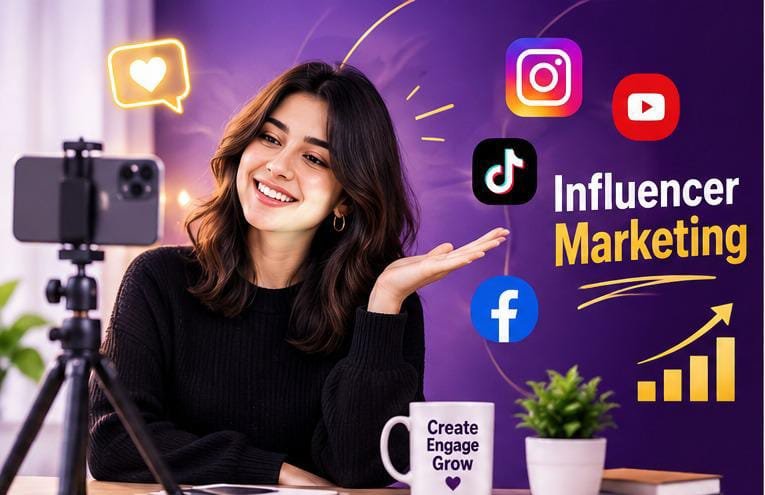
How Does Influencer Marketing Work?
Influencer marketing works by connecting brands with content creators who have an audience that matches the brands target customers.
The main purpose is to promote products or services through relatable content.
Here is how the influencer marketing process works:
Identify Your Marketing Goals: First, businesses decide what they want to achieve, such as increasing brand awareness, generating leads, improving engagement or increasing sales.
Find the Right Influencer: Brands research influencers whose audience, content style, niche and values match their products or services.
Plan the Collaboration: Businesses discuss campaign requirements, payment, deliverables, content format and publishing dates with the influencer.
Create Engaging Content: Influencers create content such as reels, stories, videos, product reviews, tutorials or sponsored posts.
Publish and Promote: The influencer shares the content with their followers. May encourage them to visit the brands website or purchase a product.
Measure Campaign Performance: Businesses track engagement, reach, website traffic, conversions and sales to understand the campaigns success.
A successful influencer marketing campaign is not about getting more followers or likes. It is about reaching the people and building long-term relationships with potential customers.
Types of Influencer Marketing
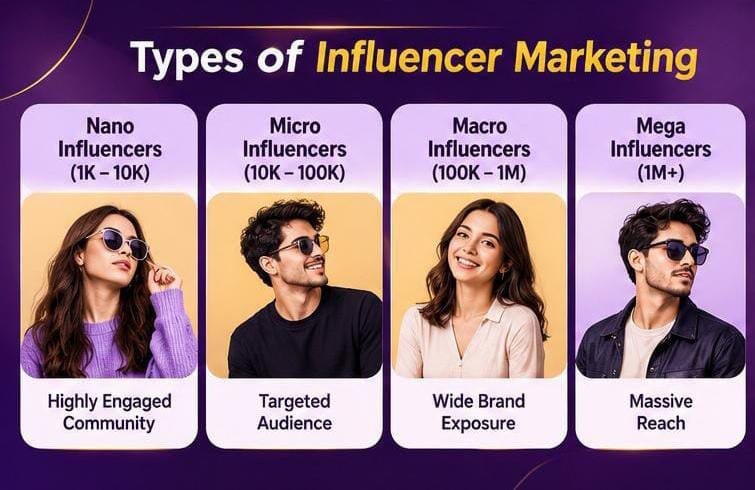
Influencer marketing takes shapes. It all depends on how big the influencers audience’s the kind of content they make and what the brand wants to achieve.
Lets look at the common types of influencer marketing.
1. Nano Influencers
Nano influencers usually have between 1,000 and 10,000 followers. Their communities are smaller,. The people in them are very engaged.
These influencers work well for businesses, startups and small brands that want to reach a specific audience.
Benefits of nano influencers:
personal ties with followers.
An audience focused on one niche.
Collaborations that are often more affordable.
Chances for recommendations.
2. Micro Influencers
Micro influencers usually have between 10,000 and 100,000 followers. They tend to focus on niches like beauty, fitness, fashion, food, travel or technology.
Businesses like working with them because they offer a mix of reach and engagement.
Benefits of influencers:
Reach into a targeted audience.
Good chances for engagement.
Expertise in a niche.
A good fit for medium-sized businesses.
3. Macro Influencers
Macro influencers usually have between 100,000 and 1 million followers. They often reach an audience and are well known in their industry.
Big brands often team up with influencers to get more visibility and promote new products.
Benefits of influencers:
Wider exposure for the brand.
Access to audiences.
A good fit for marketing campaigns.
Chances to reach groups of customers.
4. Mega Influencers
Mega influencers usually have than 1 million followers. They can include celebrities, famous personalities and known digital creators.
Established brands often pick them for large-scale campaigns and product launches.
Benefits of influencers:
Huge audience reach.
Strong public visibility.
Chances for international campaigns.
More brand recognition.
How to Create a Successful Influencer Marketing Strategy
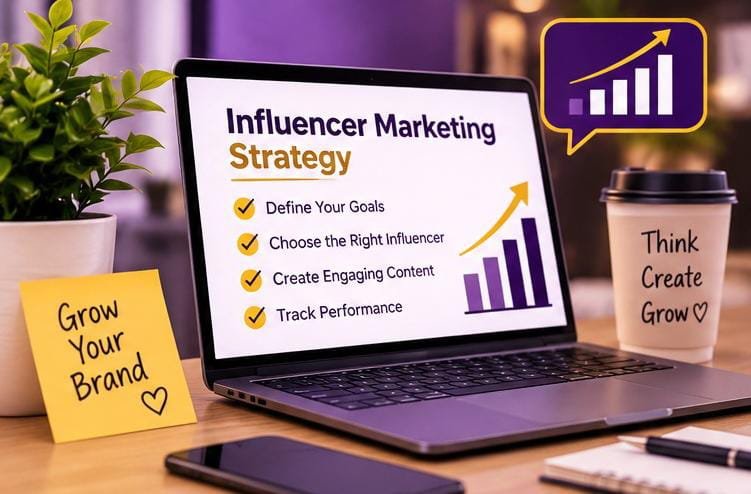
A planned influencer marketing strategy helps businesses get better results and saves them from wasted spending.
Here are some important steps to create a strategy.
1. Define Your Target Audience
Define the target audience carefully before choosing an influencer. Think about the age group, interests, location, preferences, shopping habits and problems of the customers.
2. Set Clear Marketing Goals
Set marketing goals before starting influencer marketing. The goals could be: increasing brand awareness, growing media followers, improving engagement, generating website traffic, increasing product sales and building brand credibility.
3. Research and Select Influencers
Do not pick an influencer just because they have followers. Check the quality of their content, how much their audience engages, the demographics of their audience, how well they fit the niche and their past collaborations.
4. Create a Realistic Budget
Decide how money to invest in influencer collaborations. Think about the influencers fees, costs for creating content, product samples, advertising expenses and campaign management.
5. Develop Creative Campaign Ideas
Give influencers plenty of freedom to talk to their audience in a natural way while still following brand guidelines. Some ideas for influencer marketing campaigns are: product review videos, unboxing experiences, Instagram reels, tutorials, giveaways, discount code promotions and brand ambassador partnerships.
6. Track and Analyse Results
Track the results of each influencer marketing campaign with analytics tools. Compare the outcomes with the marketing goals and look for ways to improve.
Common Influencer Marketing Mistakes to Avoid
Even though influencer marketing can be very useful, businesses should avoid mistakes that can hurt campaign performance.
Choosing influencers because of follower count.
- Ignoring how much the audience engages and how authentic the influencer is.
- Not setting campaign objectives.
- Working without an agreement.
- Ignoring rules that require disclosure of sponsored content.
- Failing to track the performance of the campaign.
- Selecting influencers who do not fit the brands niche.
- Expecting sales without first building trust with customers.